

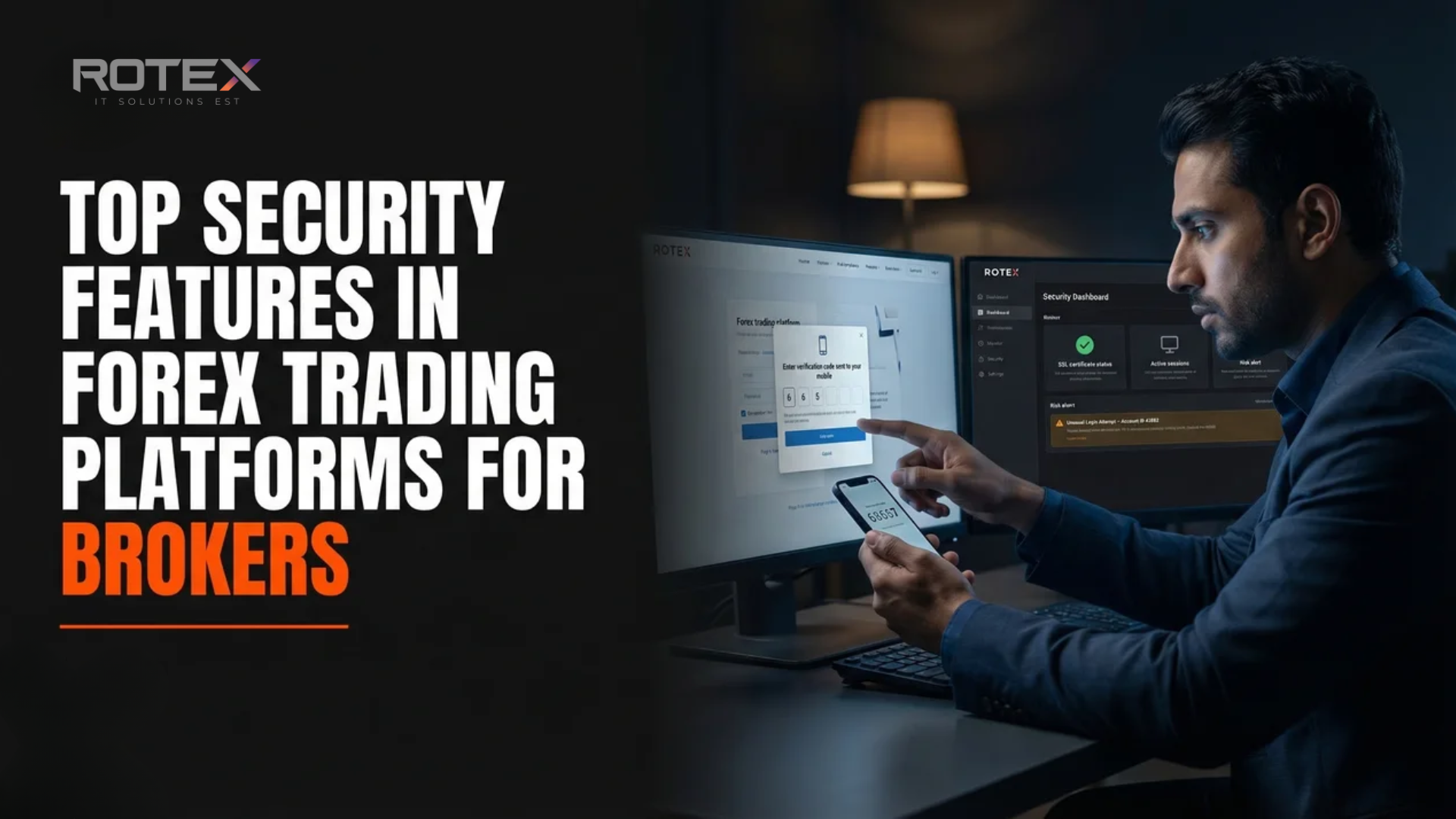
Security in a forex trading platform isn’t something brokers think about only after a problem happens — or at least, it shouldn’t be. In reality, platform security sits right at the center of a broker’s reputation, client trust, and operational stability.
A forex platform handles everything from personal client data and KYC documents to deposits, withdrawals, and live trades. That’s a lot of sensitive information moving around constantly. If security is weak, the risks are obvious: fraud, breaches, financial losses, and damaged credibility.
That’s why understanding key Forex Trading Platform Security Features is so important for brokers.
Security Isn’t Just a Technical Issue
It’s easy to assume security is “the IT team’s job,” but for brokers, it’s much bigger than that. A single security incident can trigger client panic, regulatory scrutiny, and payment provider complications.
Traders want to feel confident that their funds and data are safe. Regulators expect proper controls. Payment processors monitor risk levels closely. So security ends up affecting almost every part of the brokerage business.
Security Features That Truly Matter
Instead of listing dozens of technical terms, let’s focus on the protections that actually make a difference in day-to-day brokerage operations.
Data Encryption
Every interaction between a trader and the platform — logins, transactions, account updates — should be encrypted. This ensures that even if data is intercepted, it cannot be read.
Encryption works quietly in the background, but without it, user credentials and financial information could be exposed. For brokers, that’s not just risky — it’s unacceptable.
Two-Factor Authentication (2FA)
Passwords are no longer reliable on their own. Traders reuse them, forget them, or fall victim to phishing attacks.
Two-factor authentication adds a second verification step, usually through a mobile device or authentication app. This drastically reduces the chances of unauthorized access, especially when it comes to account takeovers and withdrawal fraud.
It’s a simple feature with a big impact.
Controlled Access for Staff
Inside a brokerage, not everyone needs full system access. Support teams, compliance officers, and administrators all require different permission levels.
Role-based access controls help prevent internal mistakes and reduce the risk of misuse. As teams grow, this becomes less of a “nice feature” and more of a necessity.
Fraud & Activity Monitoring
Suspicious behavior rarely appears out of nowhere. It usually leaves patterns — unusual logins, strange deposit activity, abnormal trading behavior.
Platforms with built-in monitoring tools help brokers detect these issues early. Catching a problem before it escalates is always better than handling disputes, losses, or chargebacks later.
Payment Security Layers
Deposits and withdrawals are prime targets for fraud attempts. Secure platforms use validation checks, tokenization, and protected API connections with payment gateways.
For brokers, strong payment security means fewer disputes, fewer fraudulent transactions, and better relationships with processing partners.
KYC & Compliance Integration
Verification systems are often viewed purely as regulatory requirements, but they’re also a major security component.
Proper KYC and AML integrations help block fake identities, reduce fraud risk, and create a documented verification trail. This protects the brokerage from both financial crime and compliance trouble.
Logs and Audit Trails
When something unusual happens — a disputed withdrawal, a login complaint, an account issue — detailed logs become invaluable.
A good trading platform records actions like login attempts, password changes, transaction requests, and administrative modifications. These records help brokers investigate issues and defend against false claims.
Infrastructure & Server Protection
Security doesn’t end at the software level. Hosting environments need protection too.
Firewalls, DDoS defense, intrusion monitoring, and backup systems keep platforms stable and resilient. Downtime during volatile market conditions isn’t just inconvenient — it can be extremely costly.
Where Brokers Often Go Wrong
Security problems don’t always come from hackers. Sometimes they come from neglect.
Weak password policies, delayed updates, excessive staff permissions, or ignoring security audits can quietly create vulnerabilities over time. The platform may look fine — until something breaks.
Security needs ongoing attention, not a one-time setup.
Final Thoughts
For brokers, platform security is really about trust. Traders trust you with their funds. Providers trust you with transaction risk. Regulators trust you with compliance responsibilities.
Strong Forex Trading Platform Security Features help maintain that trust. They reduce risk, improve stability, and protect both your clients and your brand.
Because in the forex business, security isn’t just protection — it’s part of your credibility.